Patient's Stories

Laila & Betsy’s Story: Living with Congenital DM1 as a Family

A Diagnosis That Changed Everything

Laila’s life shifted the day her daughter Betsy was born and quickly diagnosed with congenital myotonic dystrophy type 1 (CDM). Betsy’s diagnosis ultimately led doctors to confirm that Laila also had DM1. The diagnosis reshaped their family’s understanding of their health and the future they would need to plan for together.
“Our entire lives are shaped by this condition. Every school choice, every therapy, even the condo we bought. It touches everything.”
What began as a uncertain and complex newborn medical journey became a lifelong commitment to helping Betsy gain strength, independence, and opportunity.
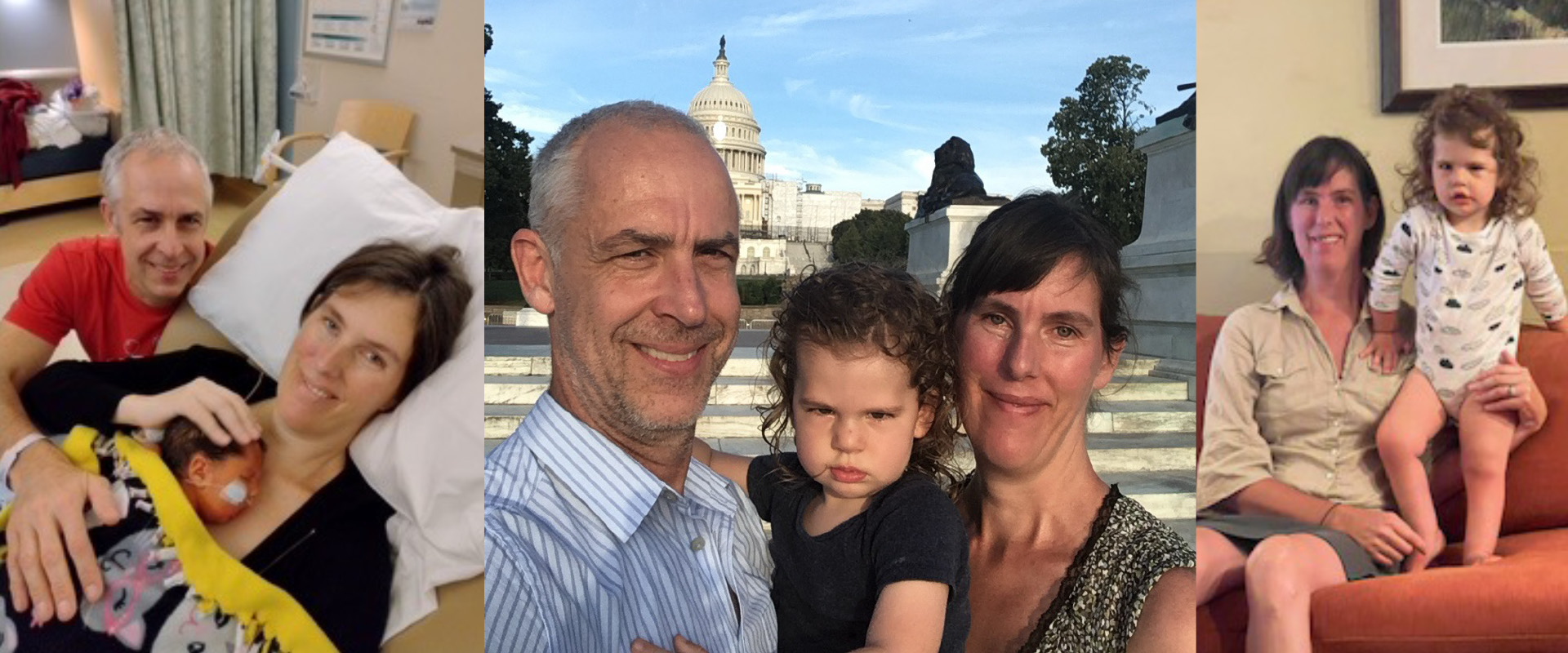
Laila and Betsy's Family

Building a Life Around Betsy’s Needs

Betsy attends therapies multiple times each week, including physical, occupational, and speech therapy. Her education is carefully tailored to her needs, with specialized support to help her grow, learn, and connect with others. Laila and her husband work constantly to reduce barriers to Betsy’s mobility and safety.

Their family relocated from Alaska to Washington state to be closer to Seattle Children’s Hospital and to live near extended family who could help lighten the load. Although Laila praised the high quality of care at Providence in Alaska, icy winters and the risk of falls created challenges that were difficult to manage.
“We loved Alaska, but the ice made it too hard. Grip and balance are challenges for both of us.”
They recently purchased a single-level condo to make movement easier and to create a safer environment for Betsy as she grows. The family relies on Medicaid and private insurance to sustain her therapy and care needs, and they have already established a special-needs trust to support her future.
Ann and husband

The Personal Cost of Caregiving

Laila lives with DM1 herself. Fatigue, cognitive difficulties, and physical limitations prevent her from working, which places significant strain on the family’s finances. Her husband carries the dual role of primary breadwinner and caregiver, a responsibility Laila describes as profound.
“John does not have the disease, but in some ways he is the most affected. He carries the financial and emotional weight for all of us.”
The emotional and logistical demands of CDM and adult DM1 affect every aspect of their lives, yet Laila and her husband remain committed to giving Betsy the best possible foundation.
Ann and husband

Looking Toward the Future With Hope

Although cautious about clinical trials, Laila is encouraged by the growing momentum in DM1 research. She sees the commitment from scientists as a sign that the community is seen, valued, and supported.

Her hopes for future treatments are deeply personal. Laila dreams of therapies that could increase muscle strength for herself so she can stay active in Betsy’s life. For Betsy, she hopes for gains in mobility, speech, and processing speed that would reduce the stigma and barriers her daughter will face.
“It is incredible to see researchers dedicating their careers to this disease.”

A Voice for the Community

Laila is an active member of the Myotonic Dystrophy Foundation and has contributed to fundraising and awareness videos. She believes strongly in the power of peer connection and practical guidance for families navigating DM. While she has stepped back from support group involvement for her own emotional wellbeing, she remains committed to advocacy, especially as Betsy becomes more independent, and has pursued advocacy training through the University of Washington.
“As Betsy needs less of me, I want to do more in advocacy. Maybe even in policy."

Appreciation for ARTHEx and the Power of Being Seen

Laila often shares how meaningful it is when biotech teams take time to meet families, listen to their experiences, and learn what matters most to them. She believes this creates better science and more compassionate programs.
“Thank you. Please keep engaging directly with families. Seeing the people behind the science keeps programs patient-centered."
She values ARTHEx’s presence at conferences and its partnerships with advocacy organizations, especially MDF, because it shows a commitment to the community beyond drug development.
“Please get to know us. Let us help you take the next step."
Ann and husband

Strength, Adaptation, and a Mother’s Determination

Laila and Betsy’s journey is shaped by medical complexity, resilience, and an unwavering bond. Their story reflects the realities of families living with DM1 and with congenital DM1, and the quiet strength required to meet each day with patience and hope.

Through advocacy, research, and growing community support, Laila believes a brighter future is possible for Betsy and for the many children and families touched by DM1.